
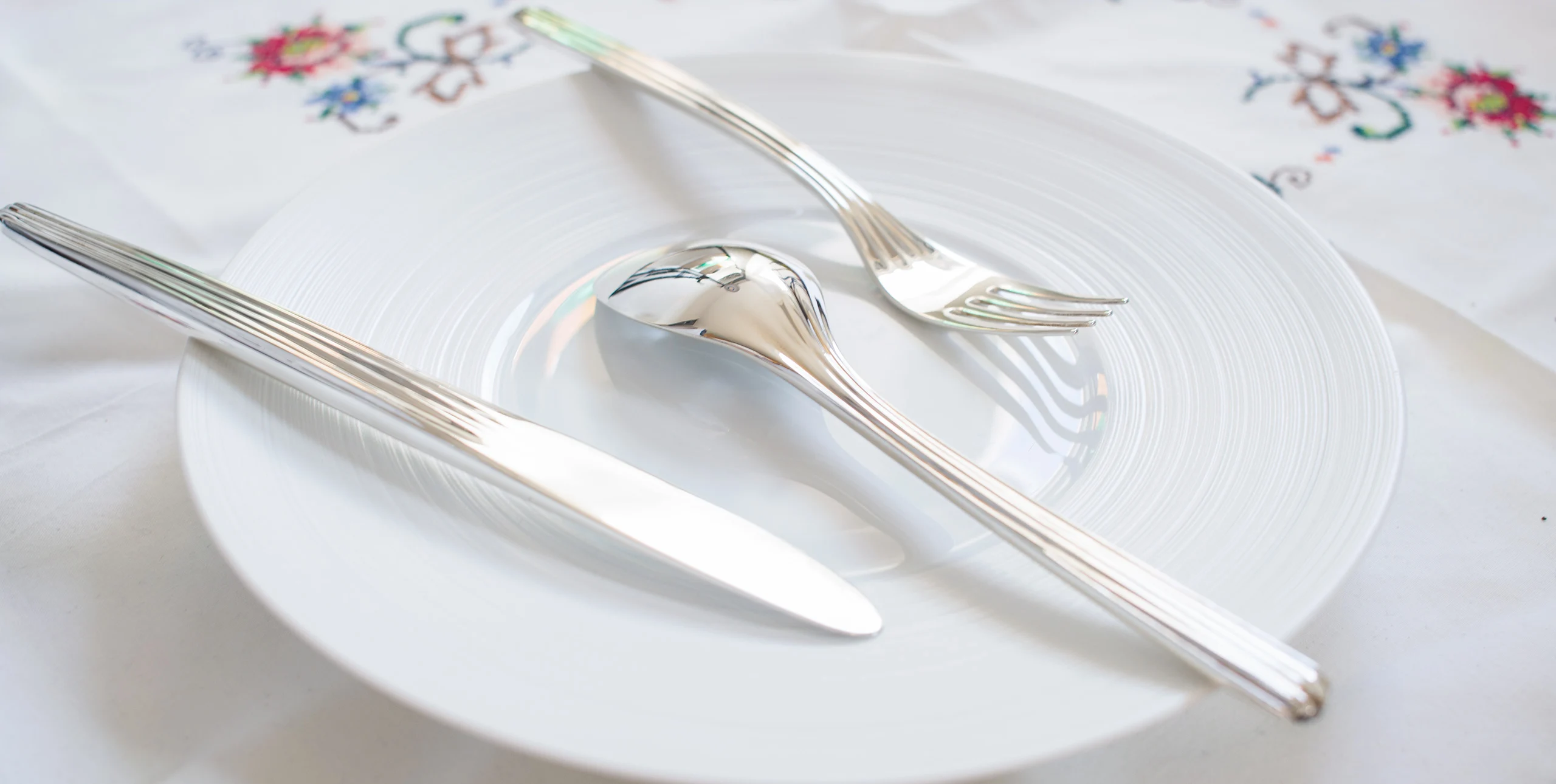
Fiumi Cutlery Set
Decoration integrated into the product, inspired by food
Fiumi is a cutlery concept that explores a different way of thinking about decoration. Instead of treating ornament as something applied to the surface at the final stage of production, the decorative pattern became part of the product itself.
The project started with computer-generated patterns inspired by food, natural fibres and organic structures. These patterns were then developed into the form of the utensils, turning texture, shape and decoration into one continuous design idea.
The result is a cutlery set with a tactile, flowing character. The pieces refer to the natural structures found in the food we eat, creating a subtle connection between the object, the hand, the mouth and the meal.
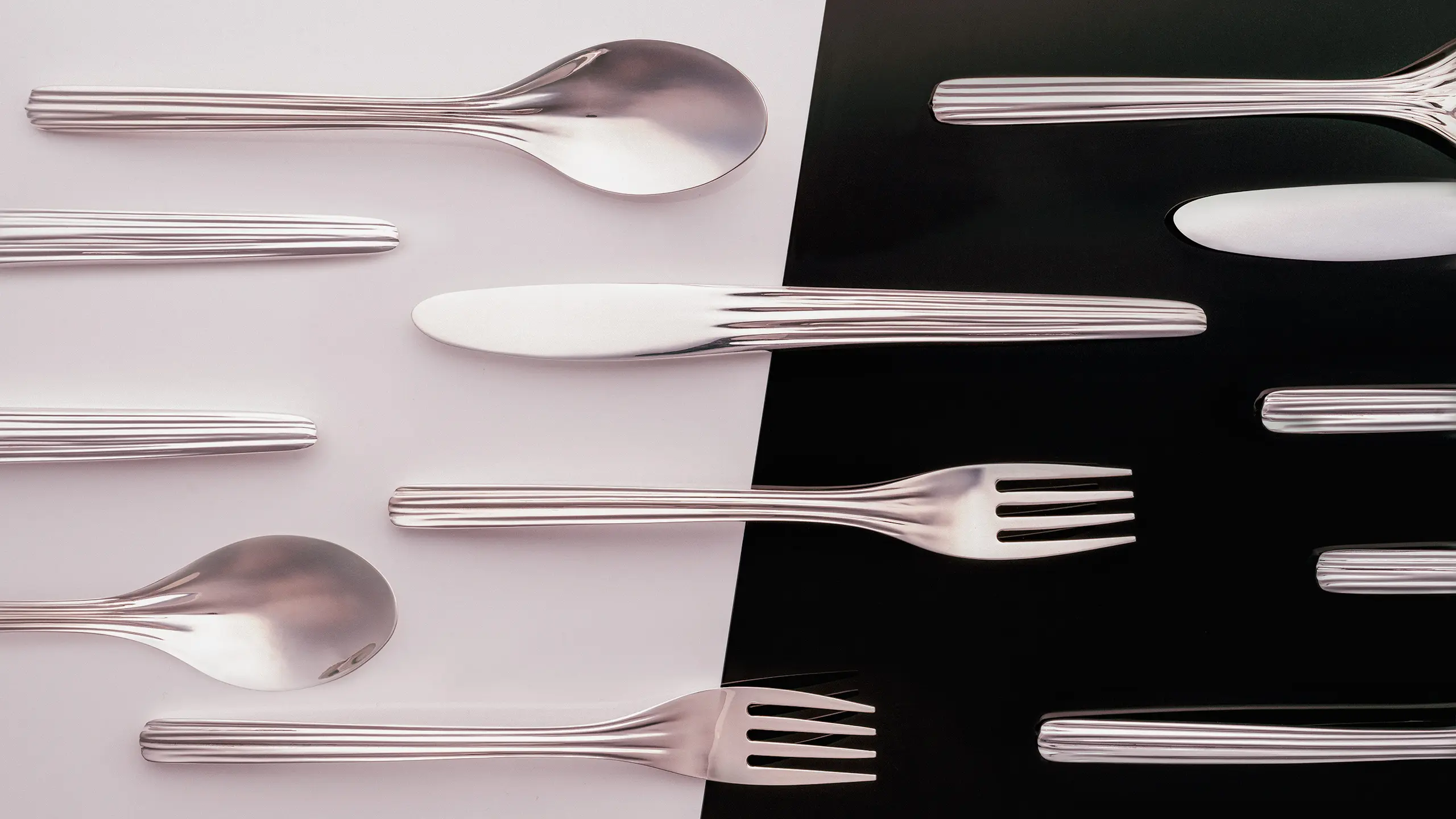
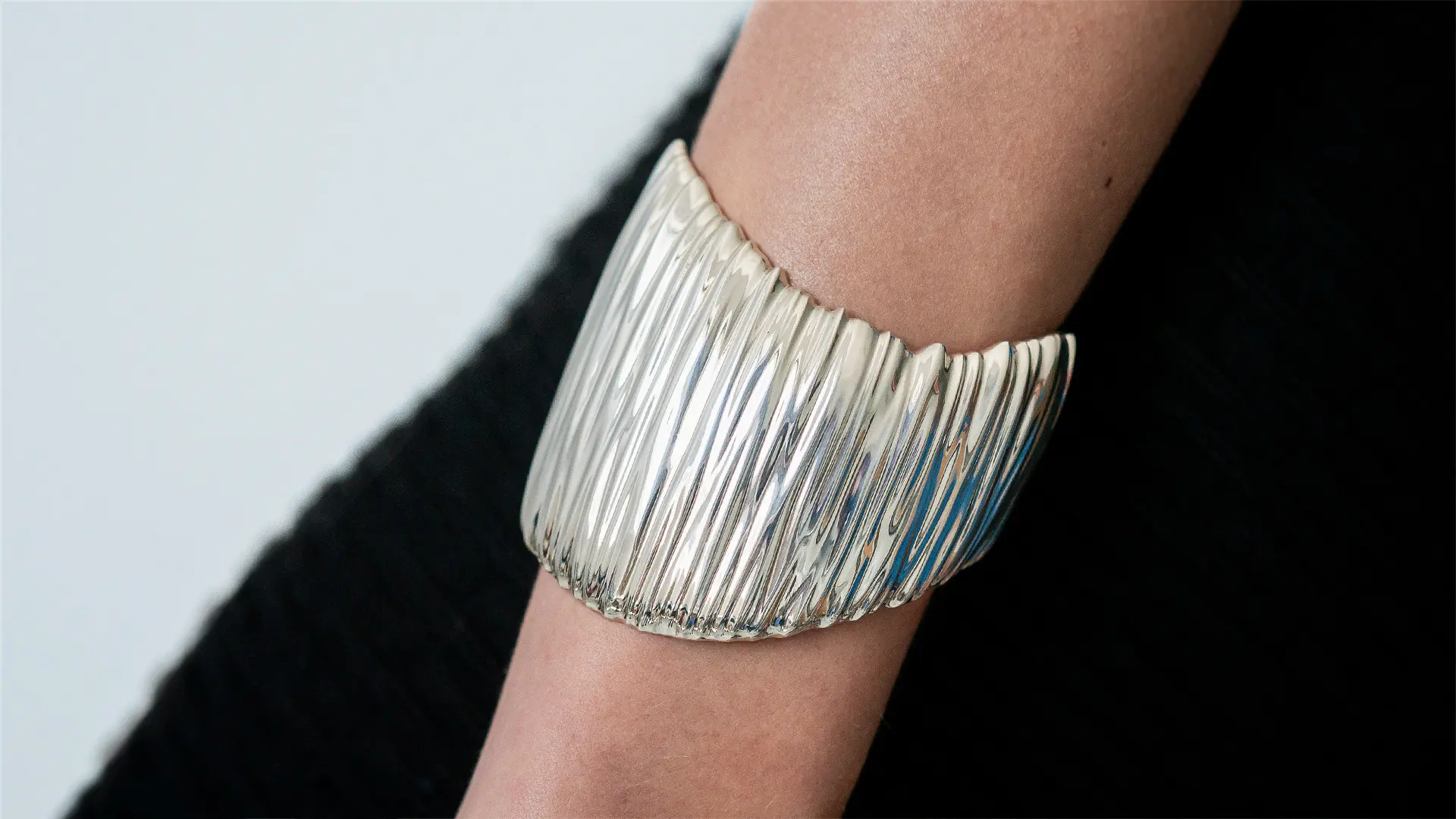
Fiumi and generative form
Fiumi was developed through generative design techniques. Algorithms were used to explore organic patterns and curving structures, which were then refined into usable cutlery shapes.
This gave the set a natural imperfection, with forms that feel less mechanical and more grown. The pieces have an expressive presence, but still needed to work as everyday objects.
The challenge was to balance the visual richness of the generated structures with comfort, ergonomics and use. Each utensil had to feel good in the hand, function at the table and remain recognisable as part of one family.
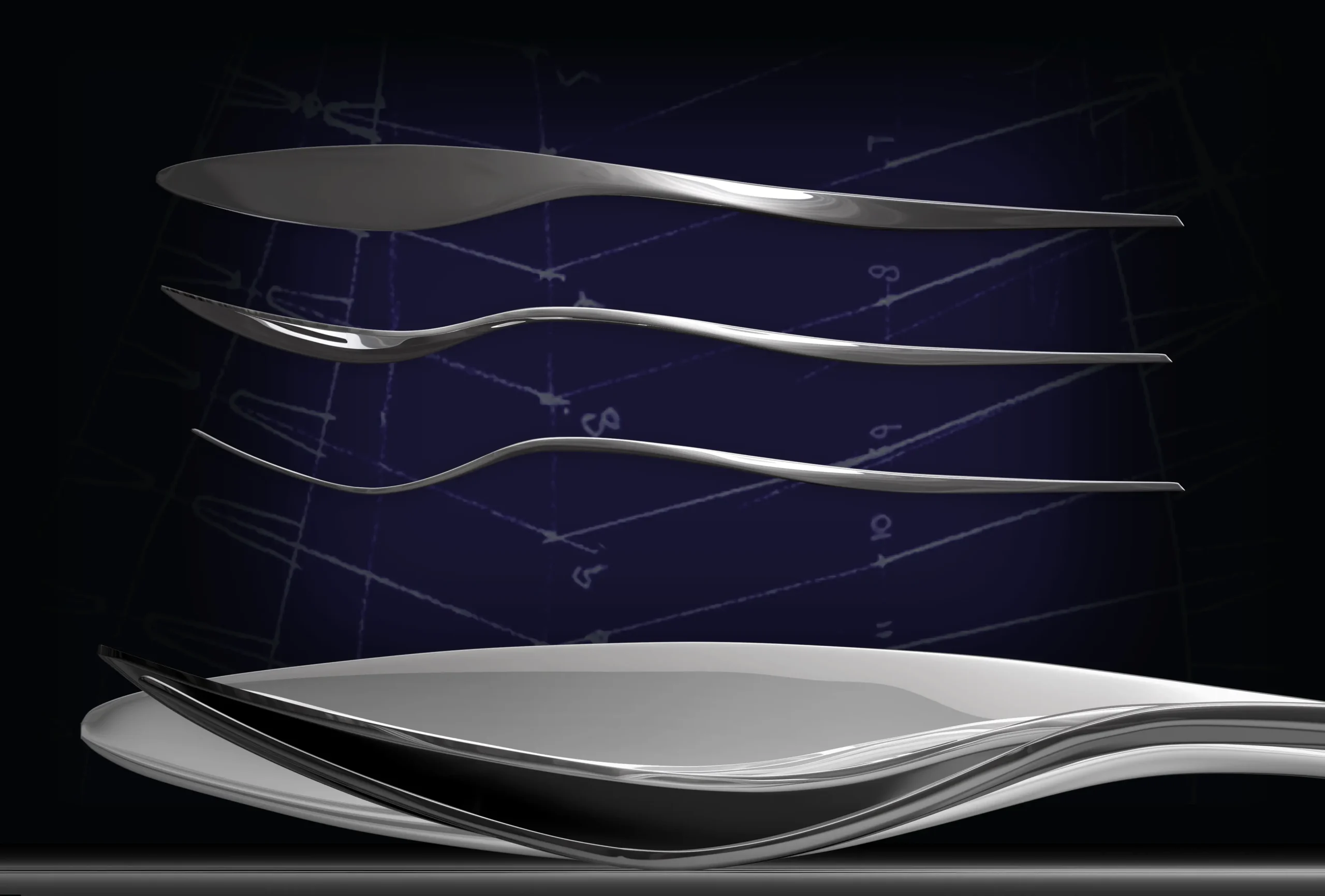
Cutlery Set 2.0
Designed for everyday use
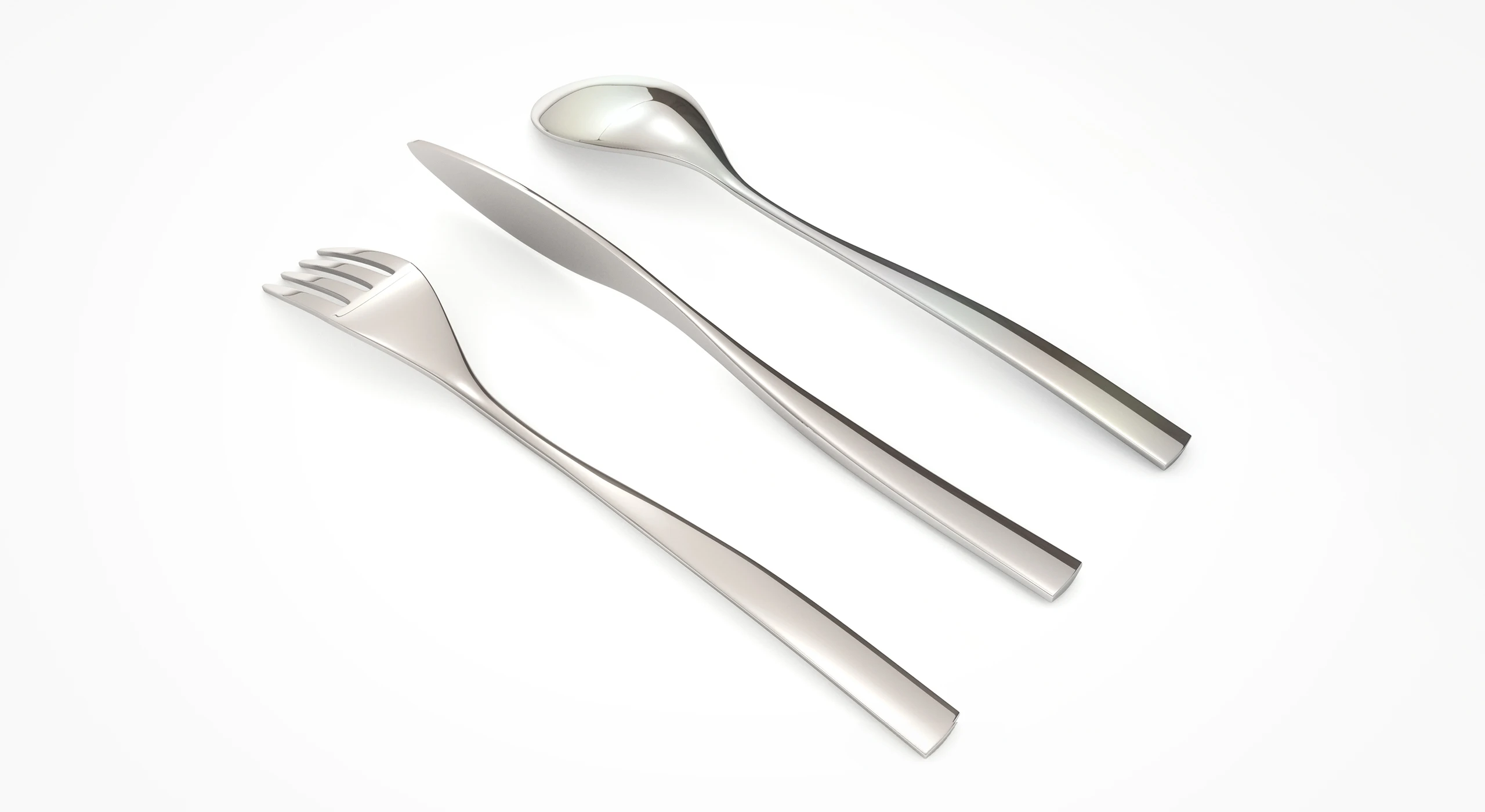
Cutlery Set 2.0 was developed as a more restrained and practical design for daily use. The set is defined by flowing lines, soft transitions and subtle roundings, giving it a calm and refined appearance.
The widened handles create a pleasant grip and make the pieces comfortable to hold. The proportions were carefully developed to give the cutlery a friendly, accessible character without losing elegance.
Balance was an important part of the design. The weight distribution was studied and refined digitally, so the utensils would feel natural in the hand and comfortable during use.
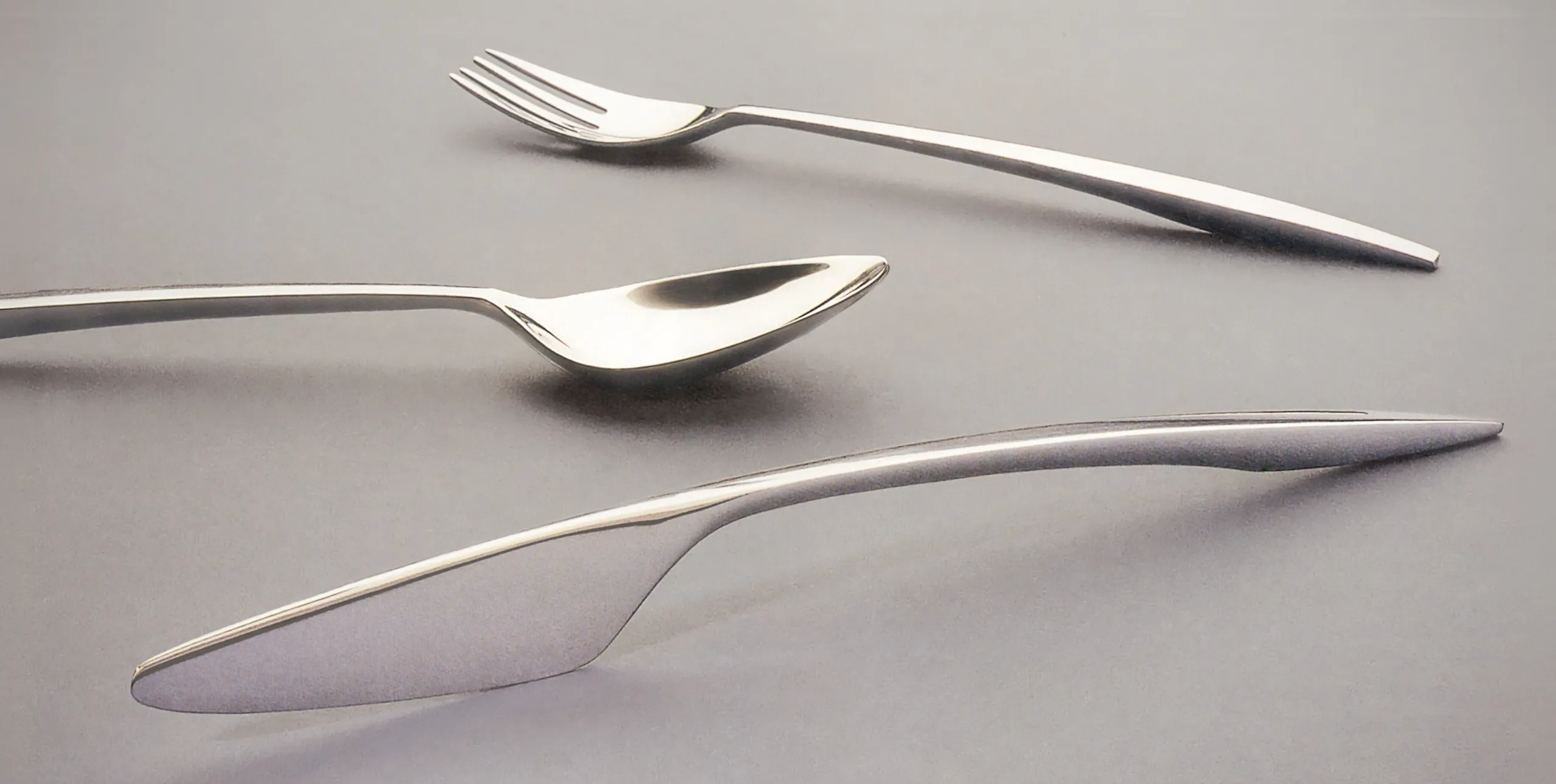
Picasso Cutlery Set
Technique meets emotion
The Picasso cutlery set was designed for special occasions. It originated from a concept study for the first-class cabins of Japan Airlines, where elegance, refinement and weight reduction were all important considerations.
The design was influenced by two different contexts. In Japanese dining culture, chopsticks play an essential role. In aviation, every gram matters. These ideas came together in slender, lightweight forms that are almost controlled like chopsticks.
The result is a cutlery set with a precise and elegant character. The pieces are slim, balanced and expressive, designed to feel special without becoming decorative in a conventional way. The design was later adopted by Paloma Picasso.
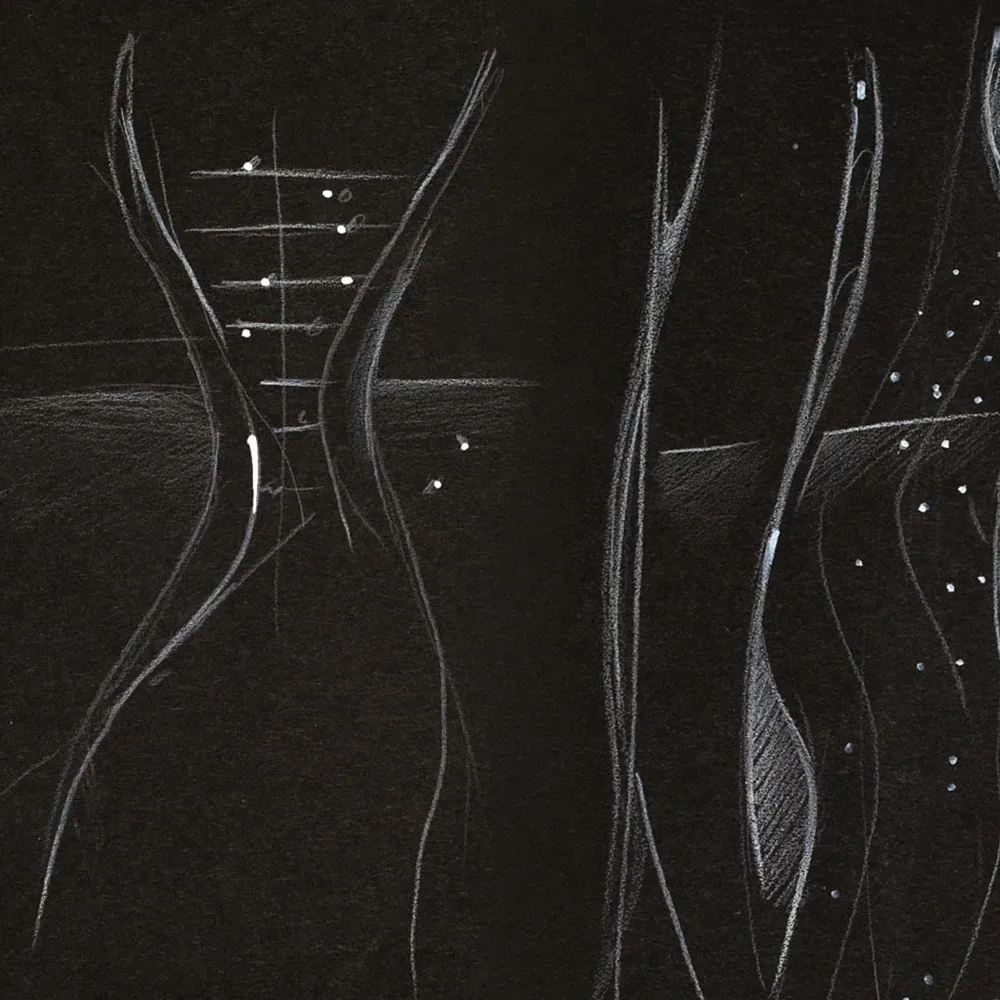
Groen Boothman developed the concepts behind the different cutlery studies. Each set explored a different relationship between form, use and experience, from generative organic structures to everyday ergonomics and refined first-class dining.
We developed and fine-tuned the form language of the cutlery, working carefully on proportions, grip, balance, curves and transitions. The designs had to be visually distinctive, but also comfortable and convincing as physical objects.
The development process combined traditional and modern modelmaking techniques. We used hand models to study shape, feel and proportion directly, alongside digital modelling and 3D printing to test, refine and realise more complex geometries.
LET'S WORK TOGETHER
Have a project in mind?
Tell us what you are working on. We are happy to think along.